




All Points East
A Love Letter to Long Island in the Off Season.
Written by Emilie Hawtin
On the drive out, the city falls away, and the scent of beach grass sets in. I lower all the windows and listen to the cicadas. I turn down the music, take in the crisp light, and pick out the classic homes I’d love to live in. I walk for miles and hardly notice the time pass. I trek through pristine sand, hypnotized by an endless horizon. It’s impossible to get lost on Hamptons beaches, and because of this, and the lack of people, umbrellas, or clubs, they encourage wandering minds. Here, my thoughts drift like clouds above the sea, and my mind exists on cruise control until dusk.

When I first visited the Hamptons twenty years ago, it was usually for magazine shoots. The photographers I was assisting studied the spectacular light and the natural rhythms, and taught me how special these elements are. Ever since, I’ve experienced the area through its enchanting light and shifting tides. That informed how I experienced everything: the mist rolling over the hoodoo formations, the golden dusk, and the glint of sunlight off the ocean in the fall. It’s a visual language I’ve never forgotten.
Around that time, I rented a house in Montauk, the easternmost point: a surf-and-fish-based town referred to on bumper stickers as the “End of the World.” It does feel a bit that way, to a New Yorker at least. You’re surrounded by Hoodoo cliffs along a coastline that feels more like Portugal than New York. I learned to surf at the quieter break (Ditch Plains is the busier one), walked to the fishmonger each day, and cooked meals over a fire on the beach each night. I became used to consuming sand as a condiment, and learned how to scale and handle a fish against the wind. Compared to the preppy and pristine style of other Hamptons towns, Montauk has always felt like its own rugged little world with people dressed as their relaxed alter ego, and everyone living by the tide. Remnants of that sensibility exist more in the off-season than in high summer, but it’s no longer a fisherman’s real estate market.

The Hamptons comprises a series of beach towns with Montauk being the last (often considered its own region) and Southampton considered the first. One of the most incredible aspects of New York City is its proximity to water and the nearby majestic beach towns. It’s also an easy drive, when traffic is on your side, along one road that, like the beaches, is impossible to get lost on. In Manhattan, I park next to the entrance of 495 East, which leads directly to Long Island and merges into Route 27: the landmark lane that runs through all points East, and halfway to the North Fork. This Olympian parking maneuver ensures a speedy exit towards the sea, and only took me fifteen years to discover.

I inherited my grandmother’s 1990s Mercedes last year and vowed to drive no more than three hours at a time. I don’t want to push the car’s luck – it only takes cassette tapes. I’ll go to any beach town within range, but I end up in the Hamptons year-round.
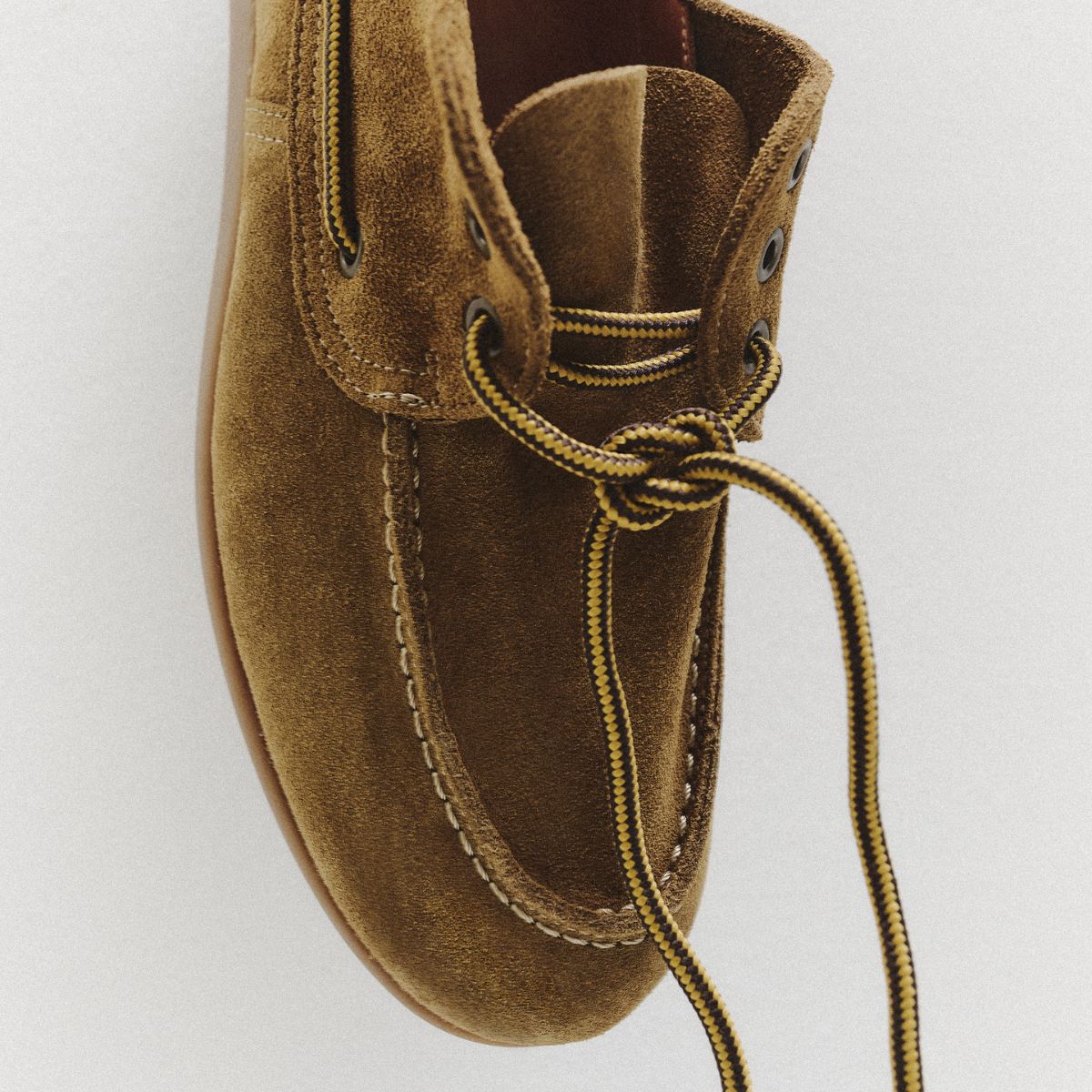
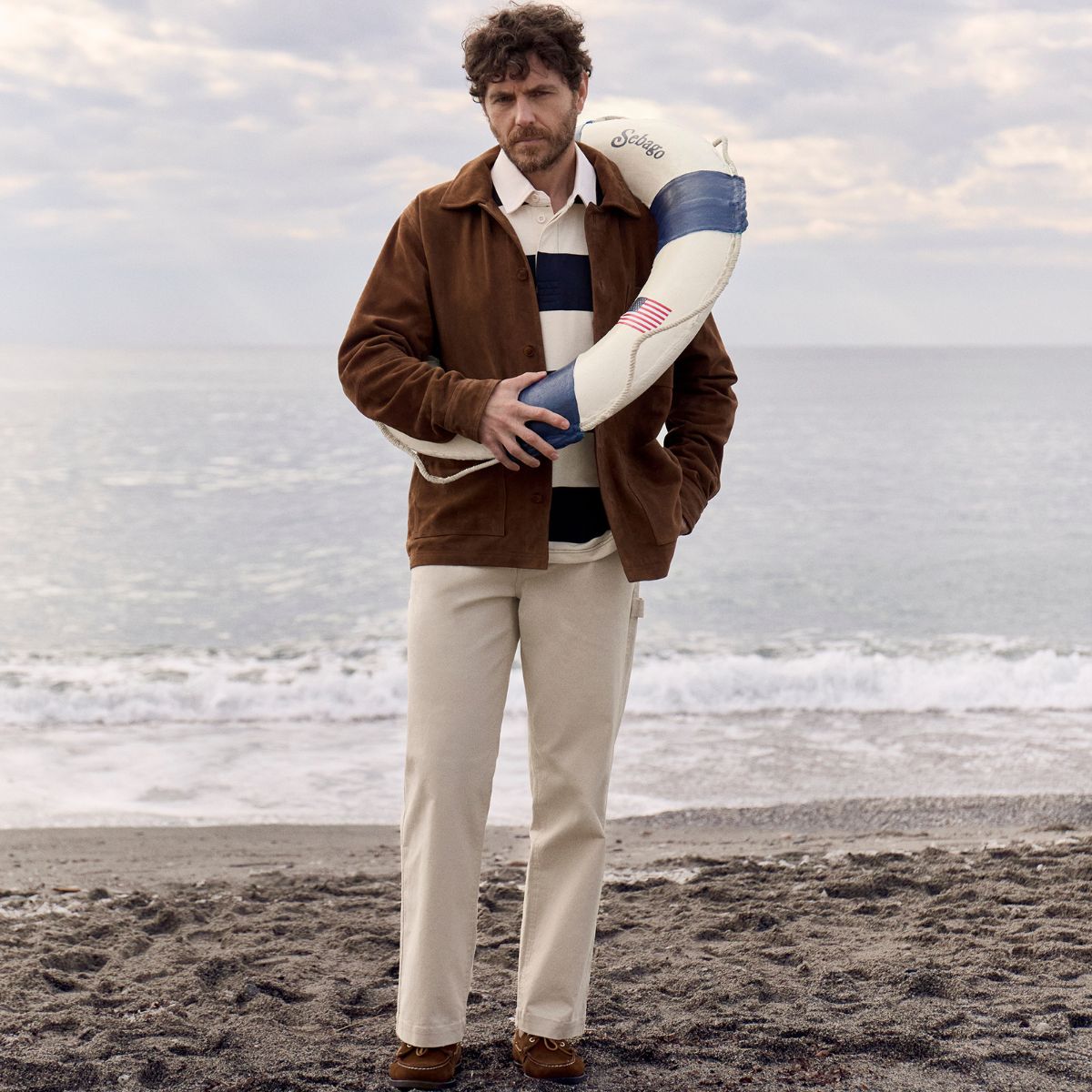
I’ll wake up at sunrise, lace up a pair of Sebagos (with socks in winter), and head out.
Sometimes I stay overnight at a no-frills inn; other times I drive back the same day – an ambitious move, but worth it. Occasionally, in the fall, I’ll rent a beach cabin, cook over a fire, and maintain salty ocean hair for days. That’s when I feel most myself.

I enjoy the slower, more understated rhythm of the area – waving at locals on their sunrise walks along the ocean with coffee mugs and baseball hats. Everyone’s a little sun-chapped and unbothered. The landscape is flat and generous, full of scrappy beach grass and shingled homes. You can go barefoot until mid-October.
The quintessential East Coast style still exists. This summer, driving barefoot from the beach, a small army of teenagers on old bicycles cruised toward me, wearing worn-out polos, tennis clothes, beat-up chino short-shorts, boat shoes, and long, natural hair. They looked like they cycled out of the bygone images we all reference now. That world – increasingly rare – still holds a presence on Long Island.

Part of my Manhattan-to-Hamptons ritual is dressing for the transition from city to coast. In the summer, that means a striped Oxford shirt, a Chambray one or a polo, with a light safari jacket and white denim or twill shorts. I sling a cotton sweater over my shoulders, tie a bandana around my neck, and slip on Sebago Docksides. I’ll keep a pair of Madras trousers, a swimsuit, and a wetsuit in the car. A couple of extra pairs of boat shoes too, in case the sea claims one.

Chambray shirts, an unsung summer hero, feel right at the coast. These also work for city mornings. I’ll wear men’s editions for their relaxed fit, one that is stylish when worn over a bathing suit, around my waist, or beneath a loose navy blazer for a more elevated look.
Docksides are best worn sockless in the warm months, and with hiking socks in cooler seasons. It’s good to be bold. Yacht Club yellow socks look just right with dark brown boat shoes.
Docksides exist to wear in, and they’re slow to wear out.
Molded by sea salt, they’ll soften over time. My dad wore them. I wore them growing up. They remain on the tasteful, more utilitarian side of Preppy style.
Salty Docksides also suit people whose cars play cassettes: they’re classic, durable, and somehow always right. For a long weekend, or a long day, on Long Island, they’re one of the few things you’ll be glad you packed. They certainly are for me, especially during the off-season and under the magically crisp, golden Hamptons light.

Exclusive perks await!
Join now to be first to know about new styles & events + enjoy 10% welcome!