










THE CHALLENGE AND JOY OF SAILING
By Gary Jobson
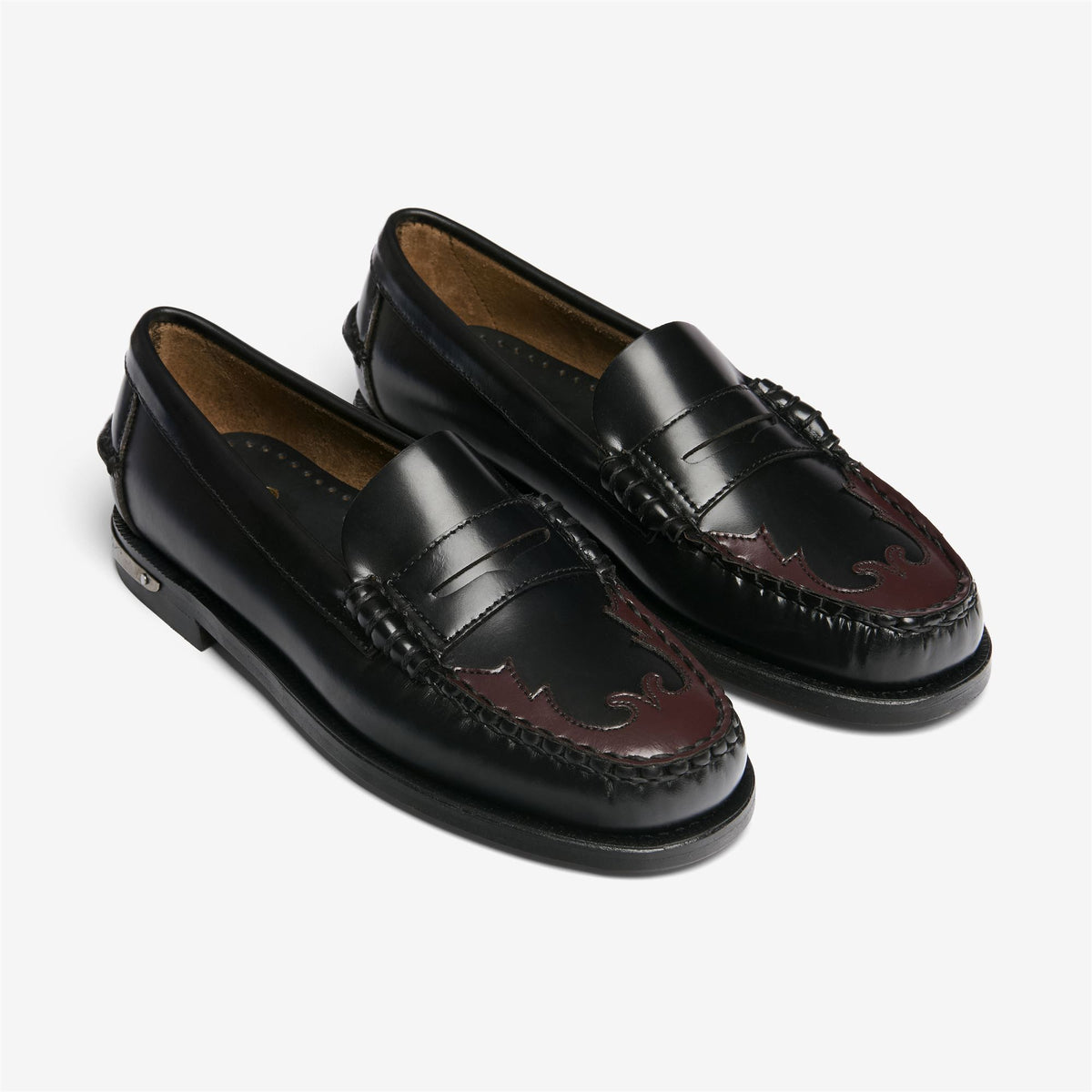
The Gary Jobson is one of those boat shoes that people seemed to have slept on over the years, but perhaps now its time has finally come around.

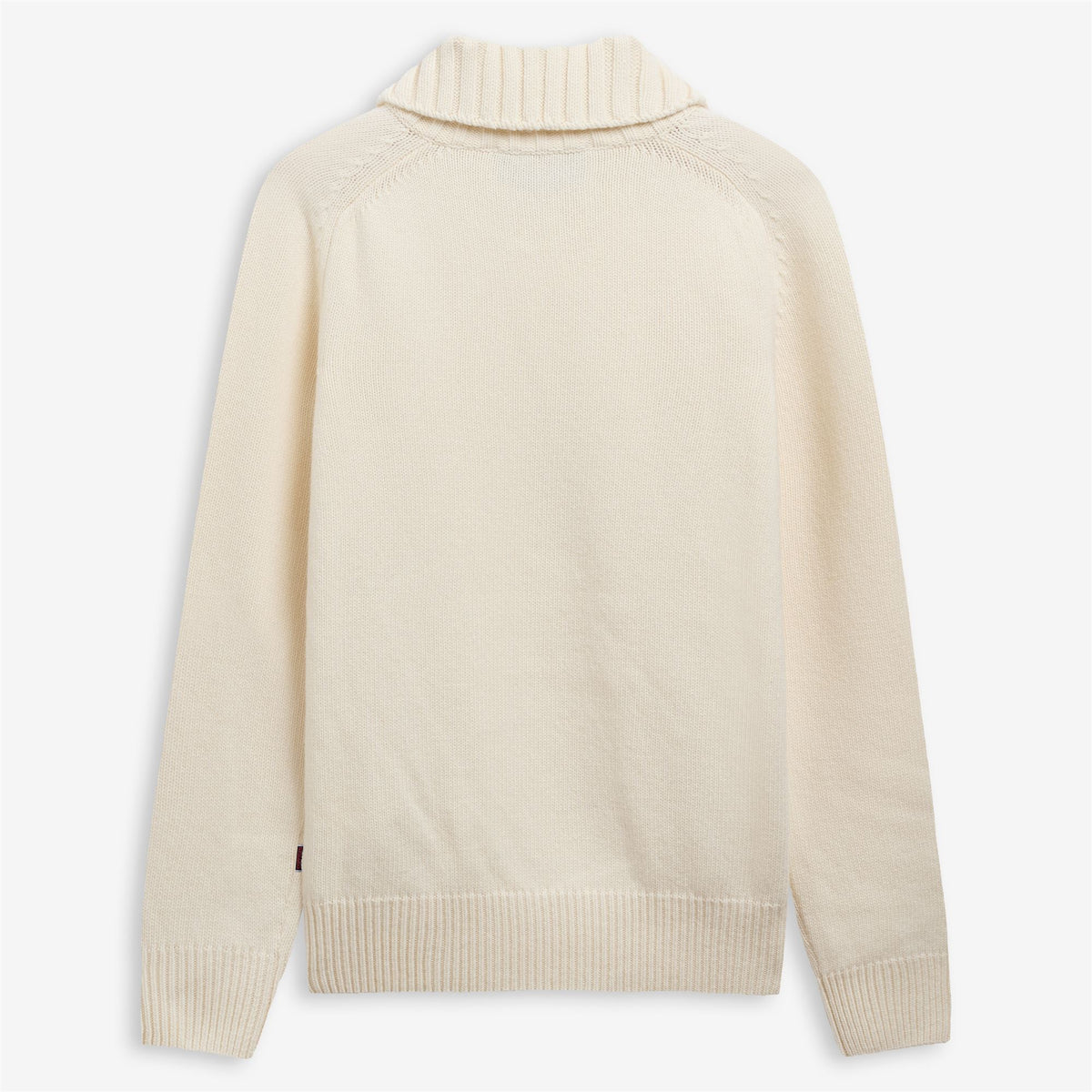
Beige Unisex Wool Reversible Padded Gilet


By Gary Jobson
The Gary Jobson is one of those boat shoes that people seemed to have slept on over the years, but perhaps now its time has finally come around.

The finish line of the 2025 Annapolis to Newport Race was still one hundred miles away. The sixteen crew aboard our 66-foot long, Temptation, had been racing for forty-eight hours and we were getting tired. If the wind held, we would finish sometime in the next ten hours, maybe less. There is an old saying, “Every horse is fresh when the barn is in sight.” The thought of finishing gave us an extra boost of energy to keep pressing hard. Our goal was simple: To win the race.

I came up on deck at four in the afternoon after being off watch for the past four hours. The wind was blowing 22 knots (miles per hour) out of the east. The boat was sailing fast at 11.8 knots. The waves were big, and it was foggy. It would be hard to describe the surreal scene to a non-sailor as we punched through every wave. When I stepped on deck, it was slippery from the waves washing over the boat. Like all sailors, I know the importance of maintaining stability while moving about a boat. No one wants to fall overboard. All of us were aware how difficult it would be to rescue someone out of the churning ocean.
Wearing the appropriate clothing is the key to being comfortable when racing offshore. There is nothing worse than being wet and cold. Good foul weather gear is important and so is well fitting footwear that grips the deck and is comfortable on the long hours on watch. I bought a new pair of Sebago shoes a few weeks before the race. I find it helpful to wear socks to keep my feet warm and comfortable with spray dripping off my foul weather gear. The Sebago shoes worked well. When your feet are warm and secure you sail better.
My job on the boat was to serve as the tactician and a watch captain. One of my duties was to alternate with another helmsman for one hour turns at the wheel.
Many years ago I learned from my America’s Cup skipper, Ted Turner, that the most effective way to steer a large offshore yacht is to stand up. With a greater height of eye you can see further and anticipate the changes in the wind and see the waves. This helps you to feel the wind in your face and carefully guide the boat over approaching waves. At high speeds boats pound hard which can stress equipment, sails and the rig due to intense shock-loading. Helmsmen must pay strict attention to the environment. But, when you get the boat sailing in a fast groove the experience is a special joy. As I made my way aft to the cockpit, I was asked the best question in the sport of sailing, “Are you ready to take the helm?” I was rested and ready.

Wearing the appropriate clothing is the key to being comfortable when racing offshore. There is nothing worse than being wet and cold. Good foul weather gear is important and so is well fitting footwear that grips the deck and is comfortable on the long hours on watch. I bought a new pair of Sebago shoes a few weeks before the race. I find it helpful to wear socks to keep my feet warm and comfortable with spray dripping off my foul weather gear.The Sebago shoes worked well. When your feet are warm and secure you sail better.
As the sun was getting lower in the sky a few hours later, I remarked to the crew how special it was to be on the ocean. The grey sky blended in with the dark carbon sails over my head. The wind in my face and the motion of the boat used a lot my energy to keep my balance on the pitching boat. Concentration is another factor that leads to exhaustion. I kept a light grip on the steering wheel as I made subtle adjustments to our course. I was fully engaged.
It felt like the sky, the sails, my body, the boat under my feet and the water passing along the side of hull all existed as one. I sensed a smile of satisfaction develop as I guided Temptation through the choppy seas. It made me think about the many thousands of miles I had raced over the years in every ocean on the planet. An inner peace develops during these moments. Adding to my narrative, there is something magical about a crew working efficiently while changing sails or getting the top speed out of a boat.
I thought about my cruises across the Drake Passage to Antarctica, and how thrilling it was to see ice bergs as we neared the frozen continent. Then a remembered the loneliness of sailing across the Atlantic Ocean when the nearest point of land was over 1,500 miles away. While I worked through the 8-foot waves on the Annapolis to Newport Race I recalled the horrifying 1979 Fastnet Race when hurricane strength winds battered the fleet. I was the watch captain aboard Ted Turner’s yacht, Tenacious, which won the “roughest ocean race on record.”

Of the 303 boats that started that race only 87 reached the finish line. A total of 23 boats either sank or were abandoned. Sadly, 15 sailors were lost in the storm. I’ve been in races that I had no business winning, but luck would play a helpful hand when the wind died for the leading yachts and filled in for those of us on the boats in the back of the fleet. In contrast, I’ve been close to the finish line when the wind died for capricious hours as the smaller boats came sailing up with new wind. I rationalize the wins and losses by thinking the breaks even out over a long period of time. Sailing is good that way. No matter how confident you might be, mother nature can surprise the most seasoned sailors.
Of the 303 boats that started that race only 87 reached the finish line. A total of 23 boats either sank or were abandoned. Sadly, 15 sailors were lost in the storm. I’ve been in races that I had no business winning, but luck would play a helpful hand when the wind died for the leading yachts and filled in for those of us on the boats in the back of the fleet. In contrast, I’ve been close to the finish line when the wind died for capricious hours as the smaller boats came sailing up with new wind. I rationalize the wins and losses by thinking the breaks even out over a long period of time. Sailing is good that way. No matter how confident you might be, mother nature can surprise the most seasoned sailors.

With just 32 miles to sail before finishing, Temptation was more than 70 miles ahead of the next closest of the 71 boats in the fleet. It was looking good, and then, disaster! A fitting broke on the headstay that caused the feeder system to fall on the deck. We had to sail the rest of the way to the finish line off Newport, Rhode Island with only one sail. The boat slowed down to 8 knots. We probably lost two hours to the fleet as we cleaned up the broken parts and limped to the finish. Temptation was the first boat to cross the finish line by 13 hours over the second-place finisher. We won our class but on the corrected time allowance handicap we finished 8th out of the 71boats.
It is natural to feel disappointed when an equipment failure ruins a chance for victory. Overall, we had a great race with a wide variety of wind conditions. I traveled home feeling lucky to be part of it. My first Annapolis to Newport Race was 56 years earlier. One of the greatest things about sailing is being able to participate your entire life. In the end the most important part is having fun. That is what sailing is all about. And, that is the call that keeps drawing us to the next race.


