Catching the Weave
The union between Sebago and St Johns, told by Rhys Moore
Since 1946, St Johns Bay Rum — a fragrance born on a Caribbean island from the vision of a U.S. Naval officer – has drawn inspiration from its rich cultural heritage, much like Sebago. Decade after decade, both have become cornerstones of the discerning gentleman’s world: all the more relevant in an age when the notion of masculinity itself is being continually reimagined.
NO MAN IS AN ISLAND,
BAY RUM IS
Imagine a world in which you can’t enjoy a cocktail in the comfort of your living room, nor treat your skin to some aftershave. This is the dreary scenario an American citizen might have found themselves in during the Prohibition era of the 1920s. Among the many tale-worth oddities of those days – such as the fact James Vincenzo Capone, older brother of gangster Al, was a notable policeman at the frontline of the fight against booze smuggling – there is one that goes back to an ancient Virgin Islands tradition. That is bay rum, the lotion, not to be mistaken – like Prohibition officers did – with alcoholic rum, assuming that booze-deprived Americans would settle for either.
Bay rum owes its origins (and name) to the island of St. John in the U.S. Virgin Islands, whose rich natural resources and culture shaped its history. It all began in the early 19th century, around 1838, when Danish chemist Albert Heinrich Riise arrived in the Virgin Islands. Riise discovered that the natives had been mixing rum with oils extracted from the leaves of the local bay tree, known scientifically as Pimenta racemosa, as a remedy for sunburn, sore muscles, fever, and headaches. By refining the distillation process, he perfected this blend, producing what became known as bay rum, a fragrant tonic that gained fame worldwide and won awards in international exhibitions by the late 19th century.
The island of St. John, with its ideal climate and rich soil for growing the bay tree, hence became a primary source of bay leaf oil, an essential ingredient of bay rum. Large plantation efforts were established to cultivate bay trees, including the Danish Plantation Company in the early 1900s. This made bay rum production a significant local industry and export, with oils shipped to neighboring islands like St. Thomas. With its major harbor and a commercial center, the island was where the bay leaf oil was distilled and packaged into bay rum bottles for export to Europe, South America, the U.S., and the Caribbean.
Then, with Prohibition, it all came to a halt, with a consequent major setback for the entire bay rum industry. With World War II following suit, and the majority of American cargo ships repurposed for military scopes, bay rum exports suffered again.
A NEW WEAVE
As the conflict approached its much-awaited end, the modern chapter of St Johns Bay Rum began. U.S. Naval Officer John Webb was stationed in the Virgin Islands, when he developed a fascination for the historical bay rum industry and its local health and beauty uses. In 1946, Webb launched The West Indies Bay Company to revive the classic product which had gone through tumultuous times. The Naval Officer innovated not only the fragrance by blending bay leaf oil with exotic Caribbean spices, but also the packaging, introducing bottles hand-wrapped by local artisans with palm fronds in a distinctive "Fishpot Weave®" style.
This packaging reflected local craftsmanship and helped the brand stand out in the crowded U.S. market and on the pages of gentlemen's magazines. Webb’s St Johns Bay Rum soon spread across major U.S. cities and college towns, becoming a postwar symbol of exotica, alongside the rise of Tiki cocktails and tropical rhythms, aligning with the era’s fascination with the Caribbean.
With this distinctive identity in mind, our classic fragrance formulas have remained virtually unchanged in 80 years. Bay Rum is still as strong and spicy as its first iteration, and West Indian Lime maintains its bright and crisp nose.
And there have been no changes to the trademark “FishPot” weave that has defined St Johns Bay Rum flasks since the 1940s either. It sparked from Capt. Webb’s fervid imagination, as he watched local fishermen weave baskets from fronds from the island’s Tyre Palm trees. Thanks to the way that the their woven fronds would let water flow freely but trap the fish, these baskets, known as fishpots, were used to scoop up fish off-shore. Webb was enamored with the aesthetic and requested a group of fisherman to weave the very same pattern around his flask. And now both bottle and weave are unmistakable hallmarks of the St Johns brand.
However, some things have changed, for the better. Key components like alcohol and water have evolved since the 1940s, and so have the strict guidelines surrounding the creation of the oil blend. Alcohol is now denatured for fragrance production, and water is filtered, measured and tested for pH balance. At the origins of St Johns history, bay rum was made using pure Virgin Islands water, meaning that it was affected by rainfall, drought, salination from tidal surges and natural minerals from springs and wells. This would often create a slight variation in the scent and feel on the skin. Oddly enough, this is what has made St Johns colognes unique, interesting and exceptional. It became part of the intrigue of the exotic island brand.
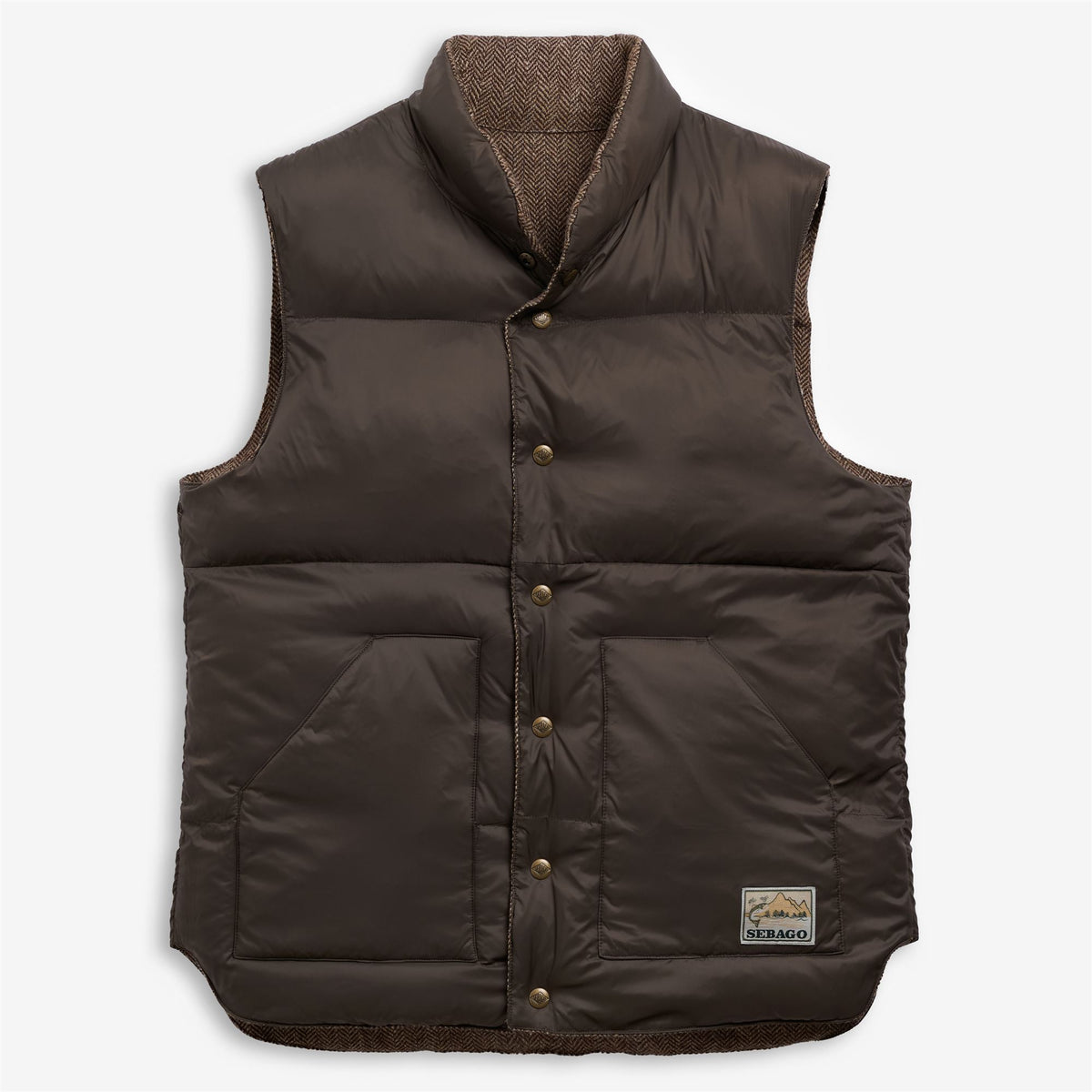
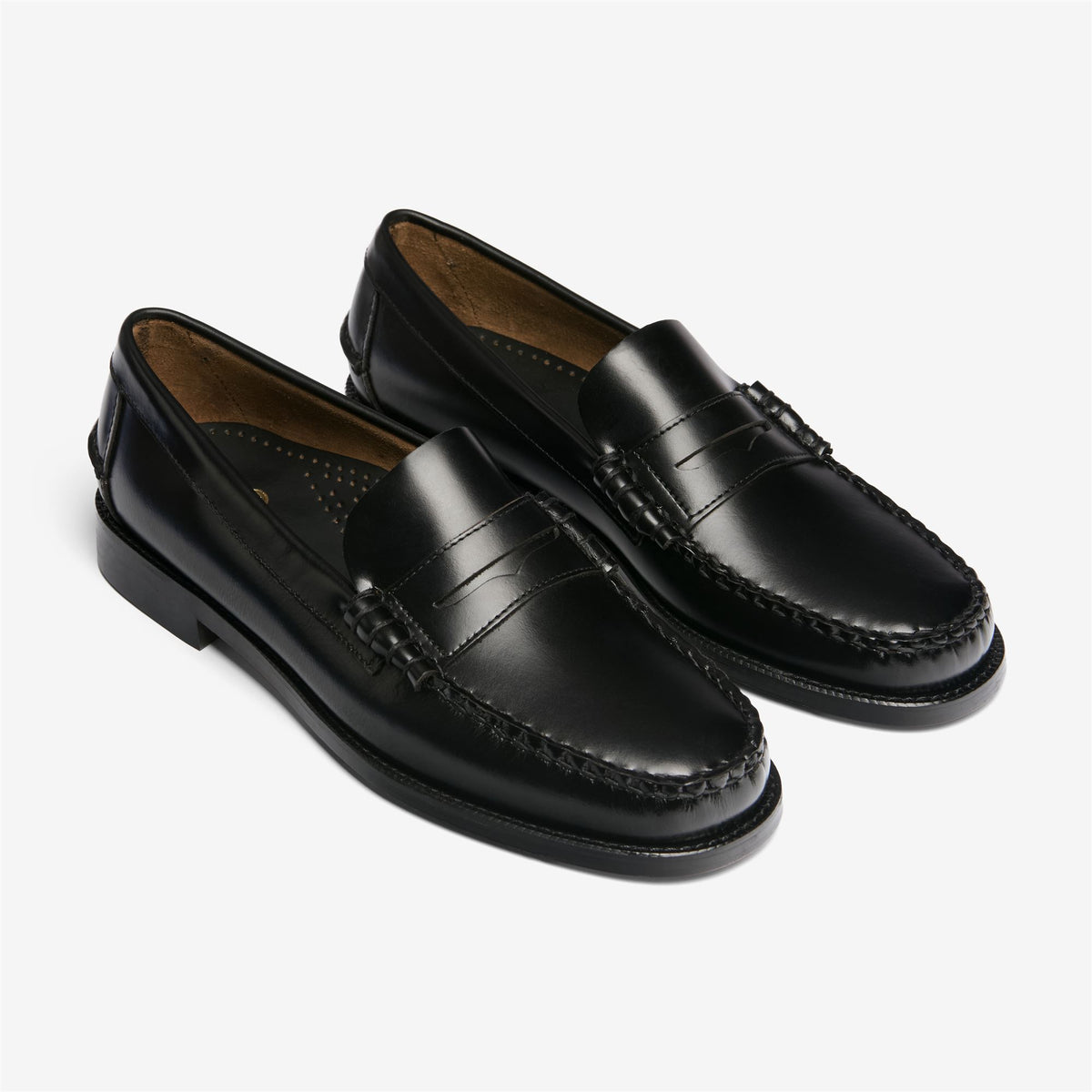
A St Johns Bay Rum ad from the 1960s once said, “This one makes you smell like a man”. Advertising copy might have changed (whether for better or worse is for you to decide), but what has stayed untouched is the lifestyle the gentlemen choosing St Johns’ aftershaves and colognes embody. An “unapologetically masculine” way of life shared by the Sebago community, with its devotion for honouring tradition and heritage, which too lies at the heart of the Caribbean born fragrance establishment. Each of the two brands has always found its drive and identity in their respective and distinctive places of origins. Sebago, born in the rugged landscapes of New England, carries forward the nautical and Ivy League spirit of its home with its trademark Docksides and handsewn loafers: designs that have come to embody durability and authenticity. St Johns preserves the island’s legacy of bay rum fragrance-making, blending time-honoured recipes into scents that have defined generations of discerning gents.
Unique identities, shared timelessness
The silhouettes of Sebago’s Docksides and Dan loafers, just like the St Johns Bay Rum “Fishpot” case design, evoke a mid-century Pan-American landscape of the mind, where sun-soaked Virgin Island beaches blend with the lush green parks and lacustre sights of Maine Ivy League campuses, where students vibe to calypso and other Conga-leaden rhythms of the Caribbeans. Something so meticulously rooted in history to resurface as relevant and timeless as ever today. It’s this cultural richness that ensure that the products of both brands remain true to the stories and places that inspired them. They are antidotes to the meaningless frenzy of modern life; antidotes driven by undisputed craftsmanship.
Neither of the brands rely on shortcuts. Instead, they elevate the artistry behind their work, showcasing the skill and dedication that transforms raw materials into creations that make masculinity meaningful again. This commitment to craft reinforces both Sebago and St Johns’status as brands that treasure tradition while maintaining relevance in an ever-changing world, in which the concept of masculinity itself is constantly questioned and evolving. What is not to be questioned, though, is that when choosing both Sebago and St Johns you value substance over mere hype culture over trend. Together, Sebago and St Johns, exemplify the enduring allure of brands built on history, integrity, and a devotion to timeless elegance.
Exclusive perks await!
Join now to be first to know about new styles & events + enjoy 10% welcome!